
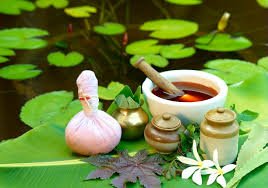
Indian Herbs
Animal healthcare is evolving as pet owners and farmers search for safer and more sustainable ways to keep animals healthy. Instead of relying heavily on synthetic medicines, many experts are now focusing on traditional plant-based remedies. Among these solutions, indian herbs are gaining recognition for their natural ability to support immunity, improve digestion, and strengthen overall animal health.
India’s traditional knowledge of herbs, rooted in Ayurvedic practices, has been used for centuries to maintain the well-being of both humans and animals. Today, these herbs are becoming a valuable component of modern animal nutrition programs.
From household pets to farm livestock, herbal nutrition powered by indian herbs is helping animals stay healthier while reducing the need for antibiotics and chemical treatments.
Understanding the Animal Care
Unlike synthetic medicines that often treat symptoms temporarily, indian herbs work by supporting the body’s natural healing systems. They help strengthen immunity, improve metabolic balance, and support organ function.
Herbal supplements made from these herbs are often used to:
Support digestive health
Strengthen immune response
Improve nutrient absorption
Maintain healthy skin and coat
Reduce inflammation
Because they work naturally with the body, these herbs can be beneficial for both preventive care and overall wellness.
Why Herbal Nutrition Is Important for Animals
Good nutrition plays a major role in maintaining strong and healthy animals. Poor nutrition can lead to weak immunity, digestive problems, and slower growth.
This is where indian herbs become valuable. When included in herbal supplements or feed formulations, they help enhance nutrient absorption and promote balanced metabolism.
Benefits of herbal nutrition include:
Better digestion
Increased energy levels
Stronger immunity
Improved productivity in livestock
Healthier skin and coat in pets
By combining proper nutrition with herbal support, animals can maintain better long-term health.
Animal Health
1. Turmeric
Turmeric is widely known for its anti-inflammatory and antibacterial properties. It supports joint health and helps reduce infections in animals.
2. Ashwagandha
Ashwagandha helps animals cope with stress and fatigue. It improves stamina and strengthens the immune system.
3. Neem
Neem is commonly used for skin health and parasite control. It protects animals from bacterial and fungal infections.
4. Tulsi
Tulsi, also known as holy basil, helps improve respiratory health and supports immunity in animals exposed to environmental stress.
5. Amla
Amla is rich in antioxidants and vitamin C. It supports digestion, immunity, and overall vitality.
6. Fenugreek
Fenugreek helps improve appetite and digestion. It is often included in herbal animal supplements to support metabolism.
7. Ginger
Ginger promotes healthy digestion and reduces inflammation. It also helps soothe digestive discomfort.
8. Giloy
Giloy is known for its powerful immune-boosting properties. It strengthens the body’s natural defense system.
Benefits for Pets
Many pet owners today prefer natural healthcare solutions for their animals. Herbal supplements made from indian herbs provide gentle and effective support for pets without harsh side effects.
These herbs can help pets with:
Skin allergies
Digestive issues
Stress and anxiety
Joint discomfort
Weak immunity
Regular herbal nutrition can also help maintain healthy skin, shiny coats, and strong immune systems in pets.
Supporting Livestock Health
Livestock farmers are also recognizing the benefits of herbal animal nutrition. Healthy animals lead to better productivity and reduced veterinary costs.
By using indian herbs in livestock management, farmers can improve:
Milk production in dairy cattle
Egg production in poultry
Growth and feed efficiency
Disease resistance
Herbal supplements also help maintain the overall health of animals without leaving harmful chemical residues.
Reducing Antibiotic Dependence with Herbal Solutions
One of the biggest advantages of herbal animal care is the reduction of antibiotic use. Overuse of antibiotics can lead to resistance, making infections harder to treat.
Herbal products made with indian herbs help prevent infections naturally by strengthening the animal’s immune system. This preventive approach reduces the need for frequent medical treatments.
Conclusion
The growing interest in natural healthcare is bringing traditional herbal knowledge back into modern animal care. Indian herbs provide a powerful and natural way to support animal health, improve nutrition, and reduce dependence on synthetic medicines.
Whether used for pets or livestock, herbal nutrition offers a safe and sustainable path toward healthier animals and better farming practices.